
Uncategorized

brand perspective
Uncategorized

Your Brand Voice Is Your Brushstroke: How to Stand Out in a Crowded Market

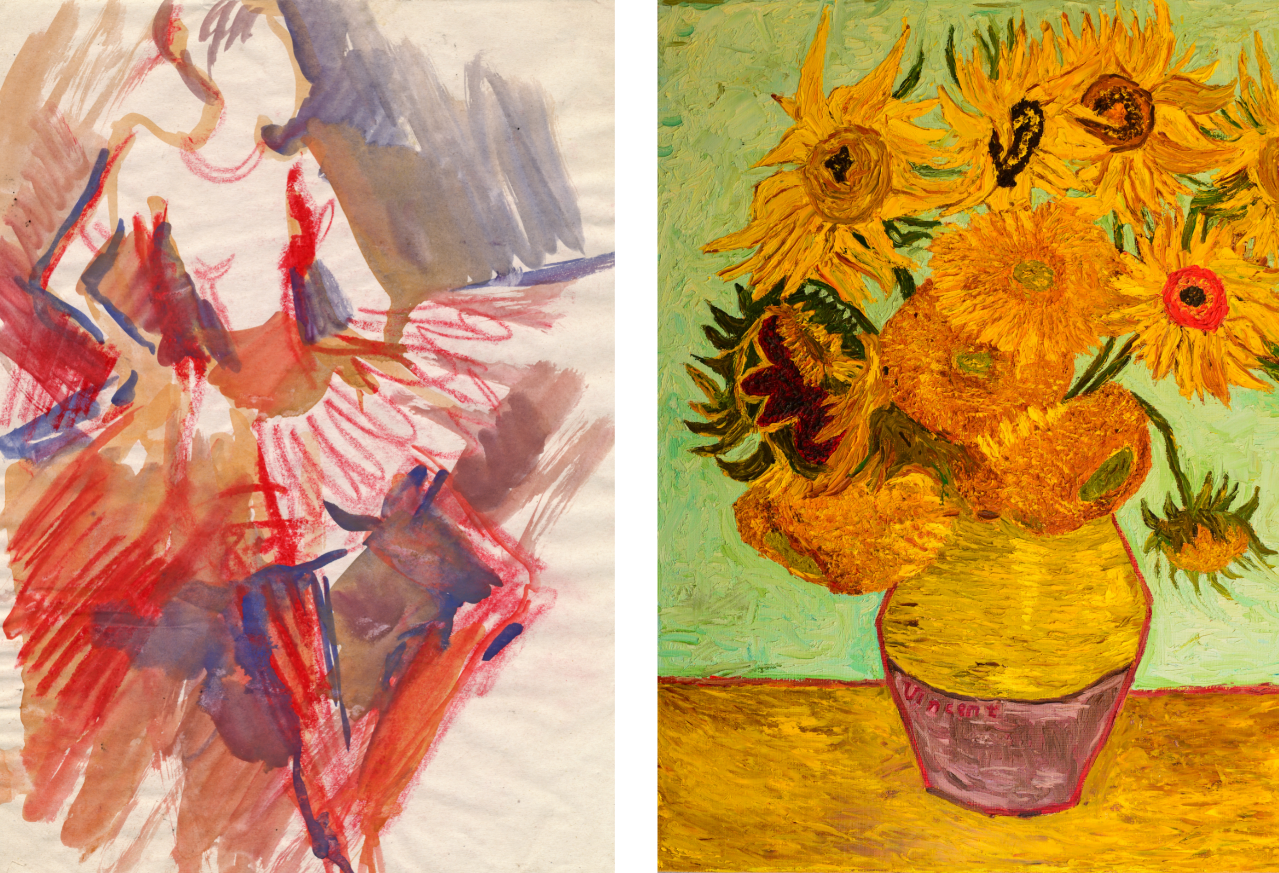
I have always been drawn to the Impressionist movement. Emerging in the late 19th century, Impressionism challenged the artistic conventions of its time by focusing on movement, atmosphere, light, color, and the emotional experience of ordinary moments. Rather than painting only grand historical scenes or carefully polished portraits, artists such as Claude Monet, Edgar Degas, Camille Pissarro, Pierre-Auguste Renoir, and others invited viewers to see the world differently. Their work felt alive because it captured not only what they saw, but how they saw it. That distinction matters. Whenever my husband and I visit a museum in a new city, we almost always find ourselves searching for the Impressionist galleries first. We linger there longer than we intend to, studying the way light falls across a landscape, how color shifts with atmosphere, and how a visible brushstroke can say as much as the subject itself. The more time we spend with these works, the easier it becomes to recognize individual artists. Degas does not feel like Monet. Pissarro does not feel like Renoir. Van Gogh, though technically Post-Impressionist, carries an unmistakable intensity that my husband can spot almost instantly. Their work is recognizable because each artist developed a distinct way of seeing and expressing the world. Their use of color, texture, subject matter, perspective, and movement created something larger than style. It created identity. In business, we call that brand voice. What Great Artists Can Teach Us About Brand Identity The most memorable artists are not remembered simply because they produced work. They are remembered because their work had a point of view. They made choices consistently enough that people could recognize their perspective before reading the name beside the frame. The same principle applies to authors. Few readers would confuse Stephen King with J.R.R. Tolkien. Their subject matter, rhythm, vocabulary, tone, pacing, and emotional worlds are entirely different. Each writer has built a recognizable creative signature. Their audiences know what kind of experience to expect because their voices are distinct. Businesses need the same clarity. In a crowded marketplace, your audience is surrounded by companies offering similar services, similar products, and similar promises. What often separates one brand from another is not only what the business does, but how it communicates. Your brand voice is the human expression of your company’s perspective. It is the language, tone, values, personality, and emotional texture that help people understand who you are and why they should trust you. Creative Element Artistic Example Business Equivalent Brushstroke The visible technique that reveals the artist’s hand The tone and style that make your messaging recognizable Color palette The emotional atmosphere of the artwork The feelings your brand consistently evokes Subject matter What the artist chooses to portray The problems, values, and ideas your brand chooses to emphasize Perspective How the artist frames the world Your unique point of view in the marketplace Consistency The traits that make an artist identifiable The repeated language, values, and messaging that build trust A strong brand voice does not happen by accident. It is built intentionally. Finding Your Perspective as a Business Owner If you own or lead a small or mid-sized business, one of the most important questions you can ask is this: What do we bring to the conversation that no one else can bring in quite the same way? Your perspective may come from your founder story, your industry experience, your values, your process, your customer relationships, or the specific problem you are passionate about solving. It may come from the way you simplify complex ideas, challenge outdated assumptions, create emotional reassurance, or make your customers feel seen. The goal is not to sound like everyone else. The goal is to become more clearly yourself. That requires more than clever copywriting. It requires self-awareness. You need to understand what your company believes, how it behaves, what it refuses to compromise on, and why customers should care. Your brand voice should reflect the real character of your business, not a borrowed personality that sounds appealing but feels disconnected from the customer experience. To borrow from Shakespeare, “to thine own self be true” is also wise branding advice. A brand that knows itself can communicate with confidence. A brand that does not know itself often hides behind jargon, vague promises, and generic messaging. The Missing Piece: Your Buyer Persona There is one important difference between the Impressionists and business owners. Artists may create primarily from personal vision, but businesses must communicate with both identity and audience in mind. Your brand voice should be authentic to you, but it must also be meaningful to the people you want to reach. No matter what you sell, you are selling to human beings. Those people have goals, pressures, fears, motivations, preferences, and decision-making triggers. They are not abstract “leads” or “prospects.” They are individuals trying to solve a real problem, make a wise choice, reduce risk, save time, grow revenue, feel confident, or improve some part of their life or work. That is why buyer personas matter. A buyer persona is a detailed representation of the people you most need to reach. It helps you move beyond broad assumptions and speak with greater relevance. Instead of asking, “What do we want to say?” you begin asking, “What does our audience need to understand, believe, and feel before they are ready to act?” Buyer Persona Question Why It Matters Who are they? Helps you define the real person behind the purchase decision What role do they play? Clarifies whether they are the decision-maker, influencer, user, or gatekeeper What problem are they trying to solve? Keeps your message focused on their needs instead of your internal priorities What motivates them to act? Reveals the emotional and practical triggers behind engagement What objections or concerns do they have? Allows you to build trust by addressing hesitation directly What language do they use? Helps your brand sound relevant, familiar, and accessible The more clearly you understand your buyer, the more effectively you can shape

brand voice
Uncategorized

A Reminder of the Importance of Your Eye – How It Drives Your Brand Voice

This past weekend, my husband and I had the great pleasure of attending the retirement party of a very good friend of ours in Toronto, Canada. The Travel Gods were kind, offering an easy flight to and from Philadelphia. We had an eventful, fun-packed weekend and enjoyed some much-needed downtime. During the party, I, the camera-wielding nightmare of my family, sought to capture the night with some photos. The man of the hour loathes being the center of attention almost as much as he hates “posed” photos. I ignored his protests and began choreographing some group photos to commemorate the momentous occasion. I got some great shots then, including one photo of all 4 generations of the men in their family. As the night continued, and the cocktails flowed, (and people stopped letting me bully them) I gave up on the orderly pics and shifted to candid photos. Stay with me, this is the revelation. Your Brand’s WHY Factor Everyone began their natural interactions in the beautiful way that a group of people who live and play together often do so well. And I began to see the Moments, not the pictures. I noted small but meaningful interactions, charged by the uniqueness of each relationship the lens captured. And it was astounding. When we reviewed the pics over breakfast the next day, while everyone loved the posed photos for “who and what” they showed, it was the Moments that drew the best reactions. Moments are about the WHY.   These images were not perfectly posed. The lighting wasn’t always exactly right. But the genuine feelings, and LIFE, the meaning, screamed from each view. So, what’s the revelation? As we parsed through the pics, the eye behind the camera, and the importance of that perspective, my perspective, became the resounding theme. My friends were ecstatic, and I was reminded that MY unique part in the creative process mattered. I dialed into the WHY story of my target audience with my eye, making it both human and poignantly personal, and it hit home – in a big way. As a content marketer and business owner, even I had to be reminded that I was a driving factor behind the voice of my work. My unique eye and perspective were as important a factor in the result as my audience’s needs were. Break the Canned-Content Cycle, and Find Your Brand Voice When we focus on producing high volumes of content, we often lose sight of our WHY. We lose our unique eye, which resonates less and decreases returns. This goes for small business owners and “lean” marketing teams as well. Bandwidth struggles turn content into a necessary evil instead of a chance for a unique creative expression of your offering. Revelation #1: It is important to check in on your company’s WHY. Put a pause on the content churn to check in on your CEO’s vision, talk to your team about what your potential buyer needs, and shift the focus of your lens to the MOMENTS your audience finds themselves in when they look for offerings like yours, and build your messaging and campaigns around lens. Focus on your EYE, blend that with your “WHY” of starting or joining your company, and what you want to do FOR your prospective clients. Then, apply that unique lens to your content creation across all channels. Your brand voice becomes a unique sound in the space, not more white noise built from buzzwords and jargon. You’ll see the results in the caliber of clients you attract. I guarantee it.

tech marketing
Uncategorized

Driving Leads with IT Decision Makers: The Power of ABM and LinkedIn Tech Marketing

In a changing market where investments into new IT services are challenged, business owners face unique challenges in reaching and engaging IT decision makers. The 2024 Customer Journey Poster from Foundry highlights the intricate process of engaging IT buyers, emphasizing the need for targeted and strategic tech marketing approaches. Two powerful strategies that stand out in this context are Account-Based Marketing (ABM) and LinkedIn marketing. Here’s why these approaches are essential for driving leads and fostering meaningful connections with IT decision makers. Understanding the IT Buyer’s Journey The tech buying process is complex, involving multiple stakeholders and decision-making stages. IT decision makers are looking for solutions that not only meet their technical requirements but also align with their strategic goals. This journey often includes: To effectively navigate this journey, IT service companies must deliver the right content to the right person at the right time. This is where ABM and LinkedIn marketing come into play. The Role of Account-Based Marketing (ABM) ABM is a highly focused business strategy in which a tech marketing team treats an individual prospect or customer like its very own market. This approach is particularly effective in the B2B SaaS sector for several reasons: Leveraging LinkedIn for IT Decision Makers LinkedIn is a powerful platform for reaching IT decision makers, offering several advantages: Integrating ABM and LinkedIn Marketing Combining ABM with LinkedIn marketing can amplify your efforts and drive better results. Here’s how: IT service companies must adopt strategic tech marketing approaches to effectively reach and engage IT decision makers. By leveraging the power of ABM and LinkedIn marketing, you can deliver personalized, targeted campaigns that drive leads and foster meaningful connections. Embrace these strategies to navigate the complex tech buying process and position your company for success in 2024 and beyond.

Scroll to Top